📅 Posted: November 20, 2026
|
🔄 Updated: November 20, 2026
|
⏱️ Reading Time: 6.00 Min Read
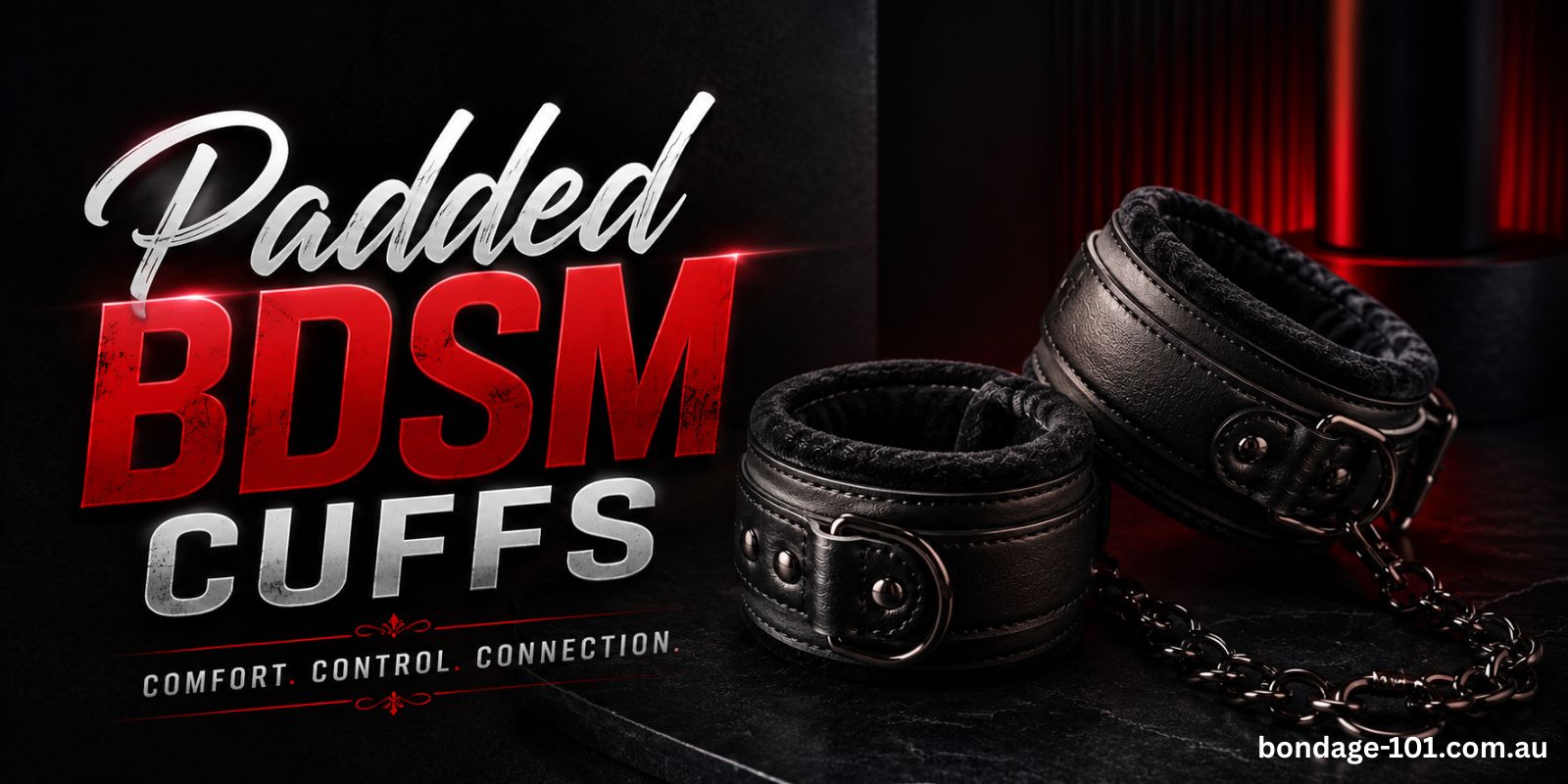
Padded BDSM Cuffs For Comfort Control And Better Restraint Play
Restraints can look wonderfully dramatic hanging from a bedpost, but wrists tend to have their own opinions once pressure enters the conversation. Padded BDSM cuffs offer a softer approach by placing cushioning between the restraint and the skin. This can make them particularly useful for beginners, longer sessions, and anyone who prefers firm control without a hard edge pressing into a small area.
Padding alone does not guarantee comfort. Fit, cuff width, stitching, hardware placement, and fastening method all influence how a restraint feels once movement begins. I have seen beautifully padded cuffs fitted so tightly that the padding was being asked to perform miracles. A little attention to sizing and positioning usually does far more for comfort than another centimetre of foam ever could.
Table Of Contents For Padded BDSM Cuffs
How Padding And Fit Change The Restraint Experience
The main job of padding is to soften contact and spread pressure over a broader area. A narrow restraint can concentrate force around a small section of the wrist, particularly when the wearer pulls against it. A wider padded cuff distributes that force more evenly and can feel more forgiving during movement.
Fit still matters more than softness. The cuff should sit securely without crushing the padding flat or allowing the wrist to slide freely through the opening. Once fastened, check that the skin is not trapped beneath an edge or buckle. The hand should remain warm, normally coloured, and comfortable.
Wrist shape also changes how a cuff behaves. Some people have a greater difference between hand and wrist circumference, while others can slip from loosely fitted restraints more easily. Adjustable closures help accommodate these differences. Anyone comparing padded designs with firmer leather wrist cuffs should pay close attention to usable circumference rather than relying only on the overall cuff length.
Padding can also affect feedback. A heavily cushioned cuff may feel softer during movement, while thinner padding can provide a closer and more responsive fit. Neither approach suits every person. The better option is the one that matches the wearer’s comfort preferences, the planned duration, and the amount of movement expected.
Materials And Construction Details Worth Checking
The outer material gives a cuff much of its structure, while the lining determines how it feels against the skin. Leather can offer durability and a classic appearance, though its edges, stitching, and care requirements deserve attention. Synthetic materials may be lighter and easier to maintain, while neoprene-style designs often provide flexibility and generous cushioning.
Run a finger around the inner edge before use. Rough stitching, exposed rivets, sharp corners, or stiff seams can become irritating once tension is applied. Padding should feel even rather than lumpy, folded, or thin around the areas where hardware is attached.
The attachment points deserve the same inspection. D-rings and connecting loops should sit securely in the cuff body without loose stitching or visible damage. Buckles should move smoothly, while hook-and-loop closures need enough surface contact to remain secure during the intended activity.
Lockable hardware changes the release process and needs more deliberate planning. Similar considerations apply to other restrictive wearables such as locking BDSM collars, where access to the release method should be settled before anything is fastened. A tiny key has a remarkable talent for becoming the most important object in the room at exactly the wrong moment.
Construction quality also affects lifespan. Check stress points regularly, especially around rings, straps, rivets, and closure areas. A soft lining can remain comfortable while the outer structure is beginning to fail, so inspection should cover the whole cuff rather than the padding alone.
Pressure Points Warning Signs And Common Fitting Mistakes
Good cuff placement depends on more than fastening the restraint and leaving it there. Check the fit again after the wearer changes position because raising, extending, or moving the arms can alter pressure around the wrists. Padding helps spread pressure, but it cannot prevent joint strain caused by awkward angles or excessive pulling force. This is especially important when comparing padded restraints with sex play with handcuffs, as rigid restraints allow less flexibility around the wrist. Before adding tension, check that clothing is smooth and no skin is trapped beneath straps, buckles, or folded edges.
Signs that the cuffs need immediate adjustment include:
- Numbness in the fingers or hands
- Tingling that continues or becomes stronger
- Hands becoming unusually cold
- Noticeable changes in skin colour
- Sharp or persistent pain around the wrist
Practical Ways To Keep Restrained Play Comfortable
Comfort during restraint play depends on regular communication and a willingness to adjust the session as it develops. Ask clear questions about pressure and joint comfort instead of relying on silence as a sign that everything feels fine. Changing position can also help when one area has been carrying tension for too long. Once the cuffs come off, having a BDSM aftercare kit nearby makes it easier to move into a calmer recovery period with familiar comfort items already prepared.
| Practical Step | How To Do It | Why It Helps |
|---|---|---|
| Inspect Before Use | Check seams, lining, closures, rings, and connecting hardware. | Finds wear or damage before tension is applied. |
| Adjust Gradually | Fasten each cuff in small stages and compare the fit on both wrists. | Reduces uneven pressure between the two sides. |
| Prepare Release Tools | Place keys or suitable release tools within immediate reach. | Allows restraints to be removed quickly when needed. |
| Test Every Fastening | Practise opening buckles, locks, and connectors before the session. | Prevents delays when a fast release becomes necessary. |
| Dry Before Storage | Clean according to the material instructions and let padding dry fully. | Helps prevent odour, trapped moisture, and material damage. |
My girlfriend and I have a simple habit before using padded cuffs. We check the hardware together, put the keys somewhere both of us can see, and test the release before anything becomes difficult to reach. It takes less than a minute, although we once spent considerably longer looking for a key that was sitting under my leg. Since then, the keys have earned a very obvious place of their own.
Choosing Padded BDSM Cuffs For Your Style Of Play
I tend to choose padded BDSM cuffs according to how they will be used rather than how intimidating they look in a product photo. For beginners, I prefer broad padding, simple adjustment, and a release method that is easy to operate. For longer sessions, I pay more attention to smooth lining, even pressure distribution, and the position of the hardware. A bulky buckle can look harmless until it spends twenty minutes pressing into exactly the wrong spot.
I also check the attachment points and closure system carefully. Strong stitching, secure rivets, and well-fitted rings matter when the cuffs will carry pulling force. Buckles offer clear adjustment points, while hook-and-loop closures are often quicker to fit and remove. Lockable cuffs need more planning because I want the key location and release process settled before use. Searching the room for a tiny key is not the sort of suspense I enjoy adding to a session.
Maintenance also influences my choice. I prefer cuffs that suit the amount of cleaning and care I am prepared to give them, since plush linings, leather, and synthetic materials have different needs. Before choosing a pair, I check the sizing range, padding, edge finishing, hardware, closure style, and care instructions. For me, a good pair of padded cuffs should feel secure, remain comfortable in the planned positions, and be simple enough to maintain that they are ready when my girlfriend and I want to use them.
My Pick For Comfortable And Secure Restraint Play
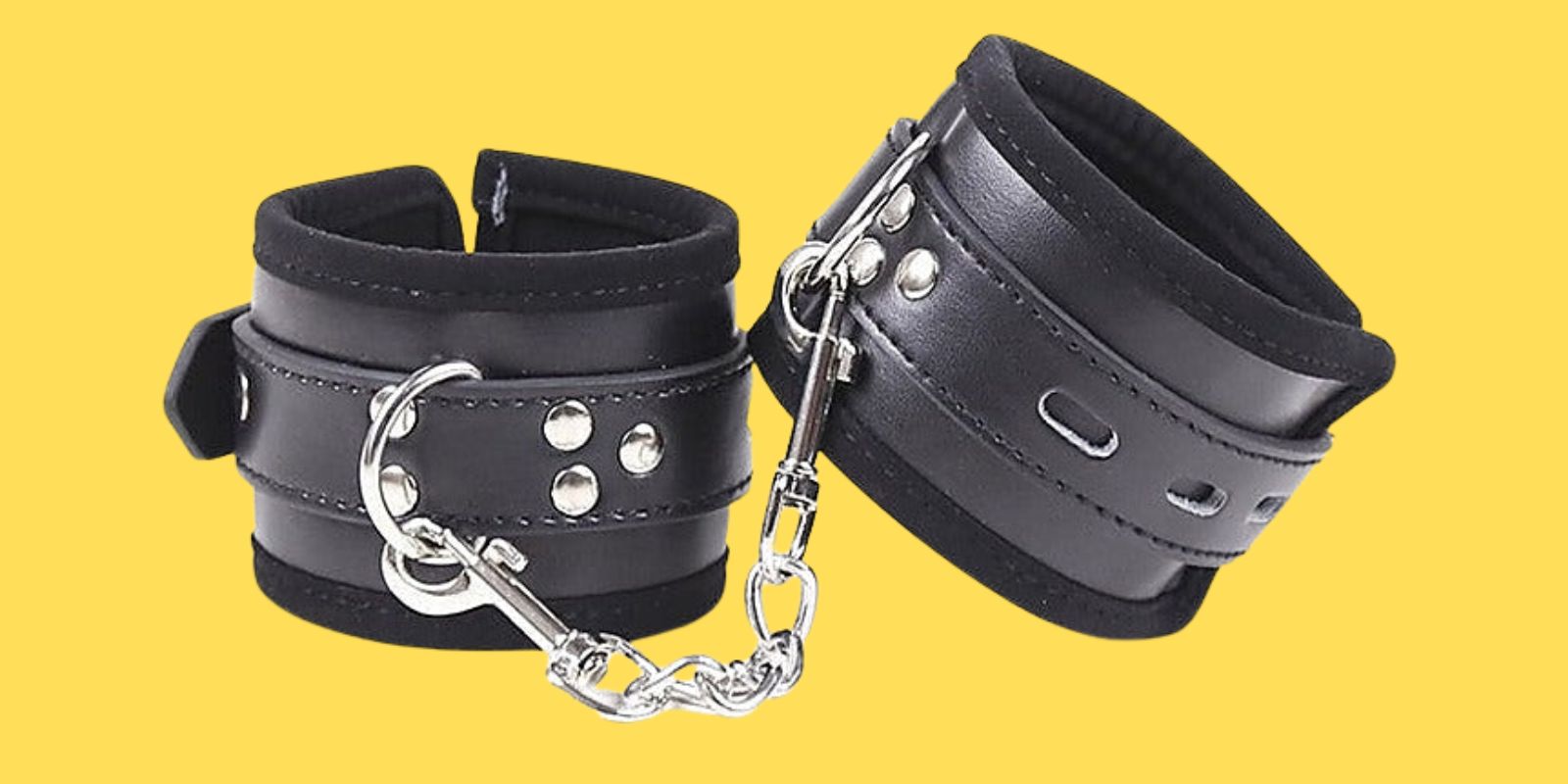
For anyone looking for padded BDSM cuffs with a balance of comfort, control, and a classic restraint style, I recommend the Buckler Faux Leather Cuffs With Chain by BDStyle. The padded construction helps create a softer feel around the wrists, while the connecting chain adds a practical sense of restraint without making the design unnecessarily complicated. I like this option for couples who want something more comfortable than rigid cuffs while still keeping the secure, controlled feeling that makes restraint play enjoyable.
FAQs About Padded BDSM Cuffs
How tight should padded BDSM cuffs be?
They should stay secure without causing pinching, numbness, tingling, unusual colour changes, or cold hands.
Why do padded cuffs still hurt my wrists?
The cuffs may be too tight, poorly positioned, too narrow, or carrying tension from an uncomfortable restraint angle.
What should I do if my hand starts tingling while restrained?
Loosen or remove the cuff promptly and wait for normal sensation, warmth, and comfort to return.
How do I stop padded cuffs from slipping off?
Check the sizing range, adjust both cuffs carefully, and choose a design suited to the difference between your wrist and hand circumference.
How should padded BDSM cuffs be cleaned?
Follow the manufacturer’s care instructions, clean surface residue promptly, and let the lining dry completely before storage.