

Humiliation Kink Safety: Degradation Without Emotional Harm
Humiliation Kink Safety: Humiliation kink can be deeply erotic for many people because it plays with taboo, vulnerability, and power exchange. But unlike other kinks that feel purely physical, humiliation play touches identity, shame, and emotional wiring. That’s why it can feel thrilling one minute and surprisingly painful the next.
The good news is that humiliation and degradation can be explored safely, respectfully, and consensually. When done well, it becomes a form of intimacy that builds trust instead of damaging it. The key is treating humiliation like emotional impact play, not casual dirty talk.
Humiliation kink is safest when it’s built on clear consent, specific boundaries, and aftercare. The goal is not real emotional harm, but controlled erotic vulnerability. Safe words, pre-negotiated language, and post-scene reassurance help ensure degradation stays playful, hot, and emotionally secure.
Table of Contents – Humiliation Kink Safety
- What Humiliation Kink Really Is (And Why People Crave It)
- Why Humiliation Play Can Accidentally Cause Emotional Harm
- Consent Rules That Matter More in Humiliation Kink
- Choosing Words Carefully: Sexy Degradation vs Real Insults
- How to Structure a Safe Humiliation Scene
- Aftercare for Humiliation Kink: The Most Important Step
- Public Humiliation Fantasies: Safety, Privacy, and Discretion
- Warning Signs It’s Becoming Unhealthy
- Key Takeaways
- FAQ
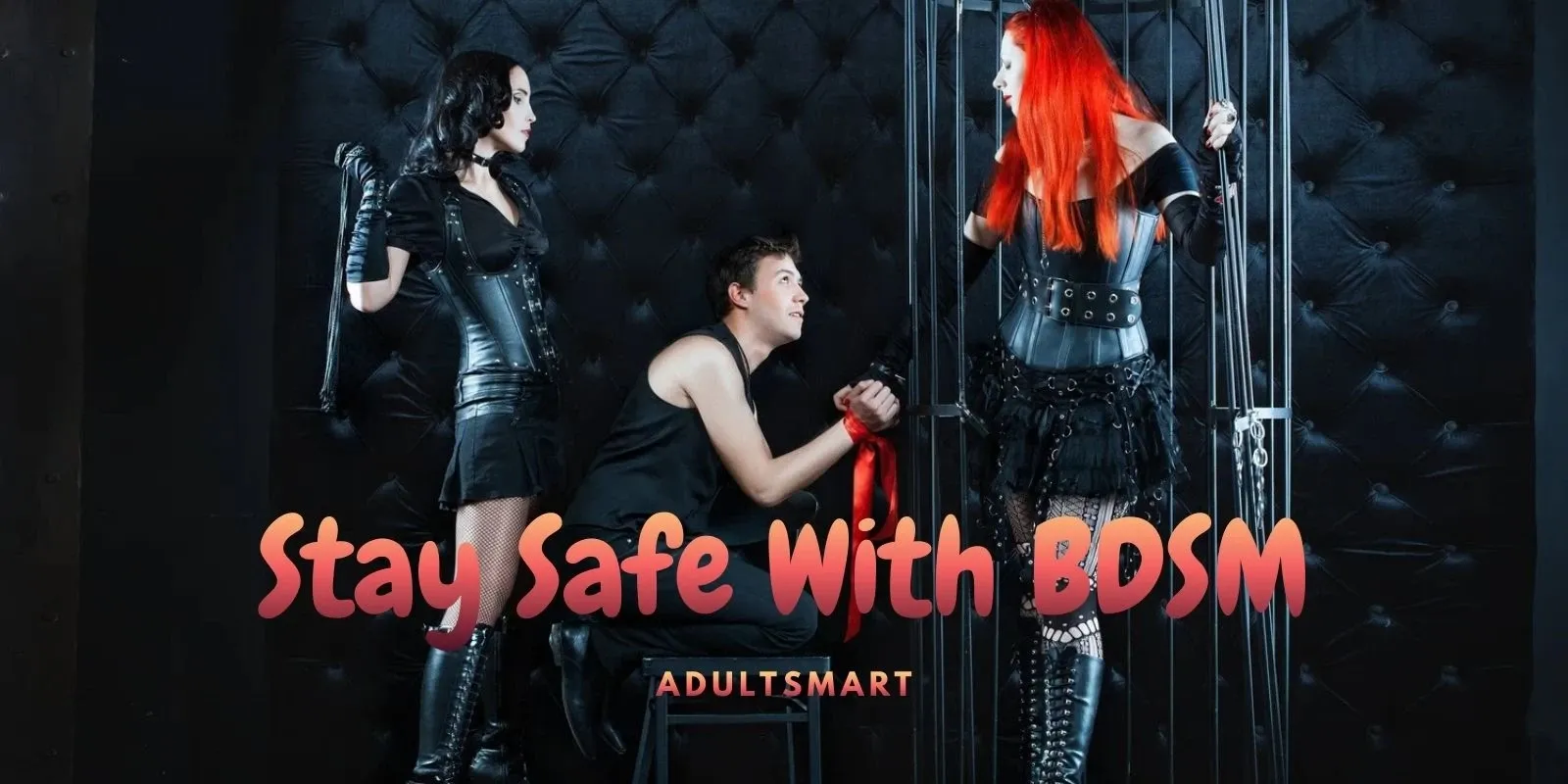
What Humiliation Kink Really Is (And Why People Crave It)
Humiliation kink is an erotic interest in being teased, degraded, mocked, or “put down” in a consensual sexual context. For some people, it’s playful embarrassment, like being called naughty or desperate. For others, it can involve harsher language, humiliation rituals, or power-driven scenarios that create a strong emotional charge.
What makes it intense is that humiliation activates vulnerability. It pushes the nervous system into a state of heightened arousal because the brain reads “risk” and “exposure,” even if the person is safe. This is why many people describe humiliation kink as addictive, electric, and strangely freeing at the same time.
It can also be about surrender. Some submissive partners enjoy being “reduced” because it removes pressure to perform, act confident, or stay in control. When humiliation is consensual, it can feel like permission to let go completely, which is often what makes the orgasm response stronger and the scene emotionally unforgettable.
If you want a deeper mainstream breakdown of the kink and why it appeals to people, this Men’s Health guide on humiliation kink offers a grounded overview that explains the psychology without judgment.
Why Humiliation Play Can Accidentally Cause Emotional Harm
Humiliation kink is risky because it doesn’t just touch the body, it touches the self-image. A person might think they want degradation, but certain words can activate real insecurities. Something that sounded hot in fantasy can feel brutal in the moment, especially if it hits a childhood wound, a body insecurity, or a past relationship trauma.
Unlike bondage or spanking, emotional pain can linger quietly. Someone may laugh and keep going during the scene, then feel shame hours later. This is why humiliation kink can create “drop” that feels heavier than normal sub drop, because the brain is processing both arousal and self-worth at the same time.
Humiliation Kink Safety: Another reason it can go wrong is that some people confuse kink humiliation with real disrespect. A partner might use humiliation as an excuse to vent anger or say cruel things they have been holding in. That’s not kink. That’s emotional harm disguised as erotic play, and it can quickly poison trust.
Consent Rules That Matter More in Humiliation Kink
Consent in humiliation kink needs to be specific, not general. Saying “I’m into degradation” is not enough because degradation can mean ten different things depending on the person. One submissive may love being called a slut, while another may find it emotionally scarring. The only safe approach is detailed negotiation, even if it feels awkward.
Humiliation Kink Safety: A smart method is to build a “yes list” and “no list” for humiliation language. You can discuss words, themes, body insults, intelligence insults, sexuality-based phrases, and anything related to family or identity. The goal is not to sanitize the kink, but to shape it into something that feels exciting instead of destabilizing.
It’s also important to agree on intensity levels. Many couples find it helpful to have soft degradation, medium degradation, and hard degradation categories. That way, the submissive can request a level depending on mood, emotional state, or stress levels. Humiliation is not a one-size kink, it changes based on life context.
If you’re still learning how to negotiate kink in general, the article Introducing Bondage and Kink to Your Partner is a strong starting point because it focuses on communication, trust, and pacing rather than rushing into intense play.
Choosing Words Carefully: Sexy Degradation vs Real Insults
The safest humiliation play is language that feels “erotically fake,” even when it’s intense. That means choosing words that signal fantasy rather than real hatred. Sexual degradation like “needy,” “obedient,” or “desperate” often lands better than personal insults about intelligence, appearance, or worth. The humiliation should feel like a role, not a verdict.
Many people enjoy being called names, but it’s critical to separate playful labels from identity attacks. Words that imply someone is worthless, disgusting, or unlovable can create long-term emotional damage even if they seem hot in porn. The mind remembers emotional meanings, and humiliation can accidentally rewrite how someone feels about themselves.
Humiliation Kink Safety: Some couples create “kink personas” to make the language safer. For example, the submissive is not being insulted as their everyday self, but as a character who exists only in the scene. This psychological separation is subtle, but it can protect self-esteem while still delivering the erotic punch humiliation play is known for.
If you want another good breakdown of how degradation works and why people like it, this Cosmopolitan humiliation kink explainer offers a more relationship-centered angle that highlights consent and emotional safety.
Humiliation Kink Safety: How to Structure a Safe Humiliation Scene
A humiliation scene works best when it has a clear beginning, middle, and end. Instead of improvising insults randomly, it’s safer to build a script-like arc. Start with teasing, then build intensity, then bring the submissive back down gently. When humiliation escalates too quickly, the submissive can emotionally freeze, which may look like compliance but is actually shutdown.
Safe words matter here, but so do “check-in phrases.” Some couples use coded questions like “Color?” or “How deep?” to avoid breaking the erotic mood. Others use non-verbal signals such as tapping or hand squeezes. Humiliation play can make it hard to speak, so you need backup systems that keep the submissive in control of the intensity.
Humiliation Kink Safety: Props and scenario-building can also reduce risk because they shift humiliation into playful theatre. For example, forced poses, roleplay, written “rules,” or playful punishments can create humiliation without relying only on cruel language. A structured scene helps both partners stay grounded, especially if emotions begin to rise unexpectedly.
Some people blend humiliation with other kinks like restraint, sensation play, or even toys. If you’re exploring edgy power-play combinations, this guide on electro charged sex toys shows how intense play can be handled responsibly when safety and consent are prioritized.
Aftercare for Humiliation Kink: The Most Important Step
Aftercare is not optional in humiliation kink. If humiliation is emotional impact play, then aftercare is emotional repair. The submissive may feel shaky, embarrassed, exposed, or suddenly quiet after the arousal wears off. That doesn’t mean the scene was bad. It means the nervous system is processing intensity, and reassurance becomes part of the erotic contract.
Good aftercare usually includes physical comfort like cuddling, warmth, water, and quiet time. But humiliation kink also needs verbal aftercare. Many submissives need to hear the dominant say clearly, “That was play. I respect you. I love you. You are safe.” This is not ruining the kink, it is completing it.
Another powerful aftercare tool is “debriefing.” Some couples talk right away, others wait until the next day. The goal is to discuss what felt hot, what felt too sharp, and what should be adjusted next time. This is where humiliation kink becomes sustainable, because it turns risky intensity into a trust-building ritual.
There’s a reason many BDSM educators describe aftercare as the moment where intimacy becomes real. During the scene you may be acting out a fantasy, but afterward you are meeting the human being underneath it. Humiliation kink can actually strengthen emotional closeness when aftercare is treated as sacred, not optional.
Public Humiliation Fantasies: Safety, Privacy, and Discretion
Public humiliation fantasies are common, but they require extra caution. Many people enjoy the idea of being exposed, teased, or “made to behave” in public spaces. The thrill comes from the imagined risk. But in real life, public play can involve consent violations if strangers are unknowingly included in the kink scenario.
Humiliation Kink Safety: The safest way to explore public humiliation is through private “public-feeling” play. This could mean roleplaying a public setting at home, using texting humiliation while out in public, or wearing hidden items that only you and your partner know about. The psychological thrill is often enough without putting anyone else into the scene.
Privacy is also a major concern. If humiliation involves photos, videos, or written humiliation tasks, you must agree on strict boundaries. Never assume consent to record. Never store content in insecure places. Many people feel empowered during a scene but later panic about exposure, so protecting privacy is part of emotional safety.
Warning Signs It’s Becoming Unhealthy
Humiliation kink becomes unhealthy when the submissive starts feeling genuinely worse about themselves outside the bedroom. If your confidence drops, if you begin replaying words in your mind, or if the degradation starts blending into real daily interactions, it may be crossing the line from erotic play into emotional harm.
Another warning sign is when the dominant starts using humiliation without checking in, or begins escalating cruelty to chase a stronger reaction. Humiliation scenes should feel consensual and connected, not like one person is performing emotional violence while the other tolerates it. If the dynamic feels tense, resentment-based, or emotionally cold, it needs to stop.
It’s also a red flag if either partner feels afraid to use the safe word. If the submissive worries that stopping will disappoint the dominant, the foundation is already unstable. The healthiest humiliation kink dynamics are built on mutual respect, where the submissive feels powerful because they can stop everything at any moment.
Humiliation Kink Safety: If you enjoy emotional intensity in BDSM storytelling, you may relate to the themes in A Damsel in Restraints, which explores the psychological thrill of surrender and restraint while still centering the erotic nature of consensual control.
Key Takeaways
- Humiliation kink is emotional impact play, so consent must be more detailed than usual.
- Degradation works best when it targets fantasy roles, not real personal insecurities.
- Safe words and check-ins keep the submissive in control of intensity at all times.
- Aftercare is essential because humiliation can trigger shame even when it feels hot.
- If humiliation lowers self-esteem outside the bedroom, the dynamic needs to pause and reset.

FAQ – Humiliation Kink Safety
Is humiliation kink normal or unhealthy?
Humiliation kink is normal and more common than many people realize. It becomes unhealthy only when it causes real emotional harm, damages self-esteem, or replaces genuine respect with cruelty. When it’s consensual, negotiated, and followed by aftercare, it can be a safe and deeply bonding kink that strengthens intimacy instead of weakening it.
What is the difference between humiliation and degradation?
Humiliation often focuses on embarrassment, exposure, or being teased in a way that feels playful or “caught.” Degradation tends to be harsher and focuses on lowering status through language like insults, ownership, or worth-based roleplay. Many people use the terms interchangeably, but degradation usually carries more emotional intensity and requires stricter boundaries.
Can humiliation kink trigger trauma?
Yes, it can. Because humiliation touches shame, identity, and vulnerability, it can accidentally activate past trauma, bullying memories, or body insecurity. This doesn’t mean you must avoid it, but it does mean you should negotiate carefully, avoid sensitive topics, and build in strong aftercare. A slower pace is often safer than extreme intensity.
How do you set boundaries for humiliation play?
The best approach is being extremely specific about what language is allowed and what themes are off-limits. Discuss body-related insults, intelligence insults, family-based humiliation, and anything tied to race, gender, or personal history. Many couples use a “green list” of approved phrases and a “hard no” list to prevent accidental emotional damage.
What should aftercare look like after degradation play?
Aftercare should include reassurance, affection, and grounding. Many submissives need verbal confirmation that the humiliation was fantasy, not truth. Water, cuddling, warmth, and calm conversation can help regulate the nervous system. Some people also benefit from debriefing later, where both partners discuss what felt good and what needs adjustment next time.
Your Power, Your Limits, Your Pleasure
Humiliation Kink Safety: Humiliation kink can look harsh from the outside, but at its best, it’s not about being broken down. It’s about being held safely while you step into a version of yourself that craves surrender, intensity, and emotional exposure. When it’s done with consent, it becomes a controlled fire: dangerous in theory, but transformative when respected.
The healthiest humiliation dynamics are built on deep trust. The submissive is not powerless, they are choosing vulnerability. The dominant is not cruel, they are responsible for holding emotional weight with care. That balance is what turns degradation from harm into erotic connection, and from shame into a strangely liberating kind of freedom.
And if you carry this mindset beyond the bedroom, it can shift something bigger. You start learning your limits, naming your needs, and recognizing the difference between performance and truth. That kind of self-awareness doesn’t just create better kink. It creates a steadier nervous system, stronger boundaries, and a more confident relationship with your own desire.

