

Introducing Bondage and Kink: A Couples Manual
Introducing bondage and kink into a relationship can feel exciting, intimidating, and strangely vulnerable all at once. Even couples who have strong chemistry sometimes hesitate because they worry it might feel awkward, too intense, or simply “not like them.” But the truth is, kink doesn’t have to be extreme. It can be soft, playful, sensual, and deeply connecting.
For many couples, bondage is less about ropes and cuffs and more about trust. It’s the feeling of being guided, held, and desired with intention. When one partner chooses to surrender and the other chooses to lead, it creates a unique intimacy that can strengthen emotional closeness as much as physical pleasure.
This manual is designed to help couples explore bondage safely and confidently. Whether you’re curious about light restraint, roleplay, teasing, or simply adding more spice to your bedroom routine, this guide will walk you through the mindset, communication, tools, and techniques that make kink feel exciting instead of overwhelming.
Bondage and kink for couples is about exploring consensual power exchange through restraint, teasing, roleplay, and erotic communication. Beginners should focus on clear boundaries, safe words, comfort-focused restraints, and slow pacing. When done correctly, bondage can improve trust, deepen intimacy, and help couples build a more playful and adventurous sex life together.
Table of Contents – Introducing Bondage and Kink
- What Bondage and Kink Really Mean
- Why Couples Are Drawn to Bondage
- Starting the Conversation Without Awkwardness
- Consent, Boundaries, and Safe Words
- Beginner Bondage Tools and Gear
- Bondage Positions for Couples
- Fantasy, Roleplay, and Erotic Storytelling
- Communication Skills That Make Kink Better
- Aftercare and Emotional Connection
- Building Confidence Over Time
- Key Takeaways
- FAQ
- Your Couple’s Adventure Into Trust and Play
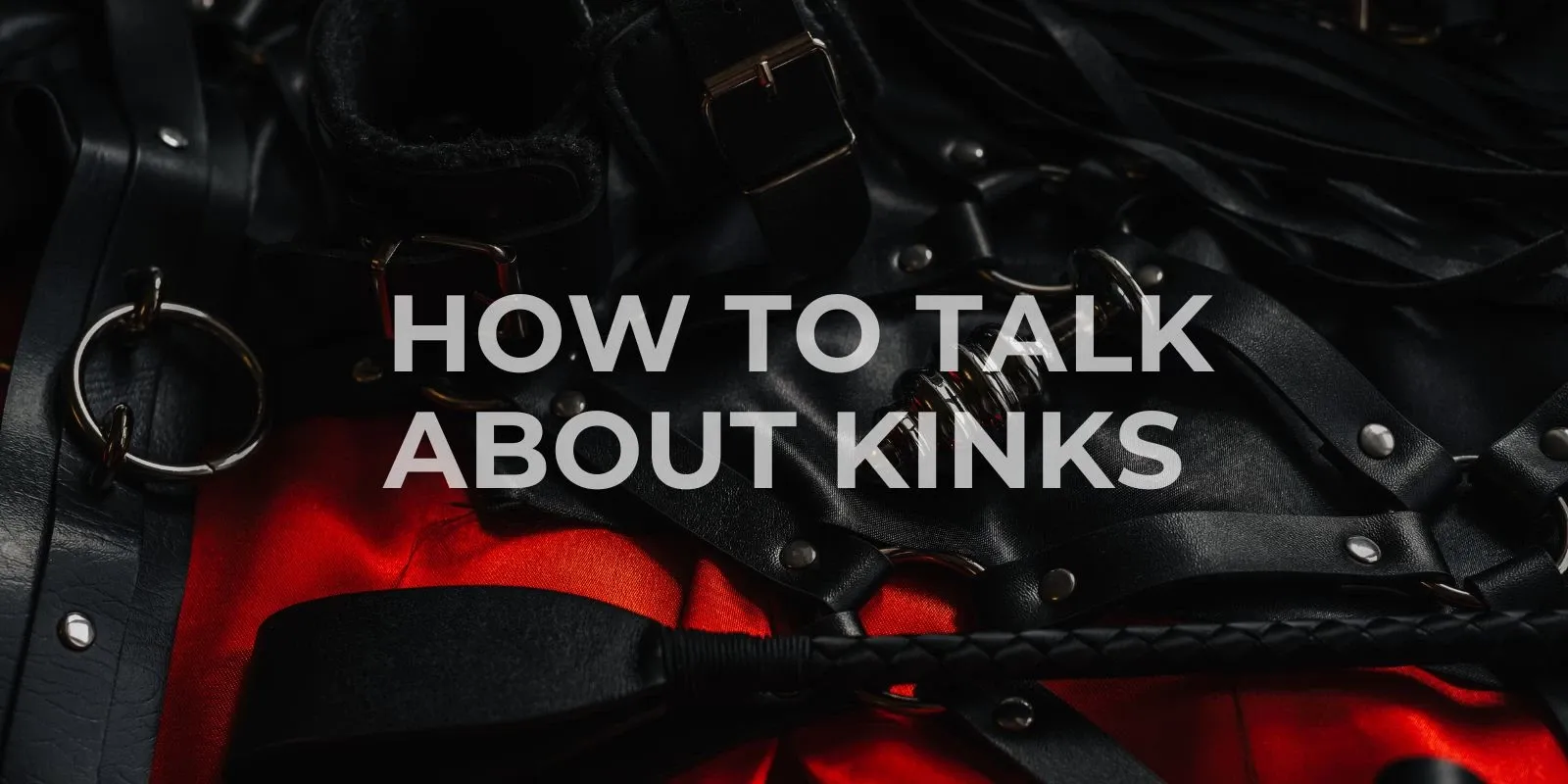
What Bondage and Kink Really Mean
Bondage is the practice of consensually restraining a partner using cuffs, rope, straps, or positioning. It can be as simple as holding someone’s wrists down, or as structured as tying a full rope harness. What matters most is not the complexity, but the intention behind it. Bondage creates a controlled environment where sensation becomes more intense.
Kink is a broader term that includes any sexual interest outside traditional “vanilla” sex. That might include roleplay, dominance and submission, spanking, sensory play, edging, dirty talk, or power exchange. Kink doesn’t have to be extreme or intimidating. It’s simply a way of exploring desire through creativity, structure, and consent.
For couples, kink often becomes a shared language. It’s not only about what you do, but how you relate to each other. One person might enjoy being guided, while the other enjoys leading. Or both partners may enjoy switching roles. Introducing Bondage and Kink: Bondage can become a playful ritual that makes intimacy feel fresh again.
If you want a broader overview of bondage basics and why it appeals to so many people, MasterClass’s bondage guide is a solid introduction that explains the concept in a clear, beginner-friendly way.
Why Couples Are Drawn to Bondage
Many couples are drawn to bondage because it changes the energy in the bedroom. It introduces structure, anticipation, and a sense of “story.” When one partner is restrained, the other naturally becomes more intentional with touch. That slow pace can make everything feel more intense, even if the actions are simple.
Bondage also removes the pressure to perform. The restrained partner doesn’t have to worry about leading, moving, or doing the “right thing.” They can simply receive. Introducing Bondage and Kink: That creates emotional relief, which often leads to stronger arousal and deeper connection. It’s a form of intimacy where surrender becomes part of the pleasure.
For the partner in control, bondage can feel empowering in a surprisingly loving way. It’s not necessarily about domination for its own sake. It’s about being trusted. It’s-about guiding the experience and watching your partner respond. That kind of trust can strengthen a relationship far beyond the bedroom.
Bondage can also be playful rather than serious. Many couples start with light teasing, gentle restraint, and laughter. Over time, they may explore deeper power exchange. But even if it stays playful forever, the shared adventure itself can bring couples closer.
Starting the Conversation Without Awkwardness
The hardest part of exploring kink is often talking about it. Many people worry their partner will judge them or feel uncomfortable. A good approach is to start with curiosity rather than intensity. Instead of saying “I want to tie you up,” you might say, “I’ve been curious about trying something new together.”
It helps to frame kink as a shared experience rather than a demand. When you invite your partner into exploration, they feel included rather than pressured. You can also talk about it outside the bedroom, when there’s no immediate expectation. That reduces anxiety and makes the conversation feel more relaxed.
Some couples find it easier to use media as a starting point. Introducing Bondage and Kink: You might share an article, mention a scene from a movie, or bring up a fantasy casually. Even discussing fictional scenarios can reveal what your partner is open to without forcing an immediate decision.
Exploring erotic communication through voice and imagination can also help couples build confidence. If you want inspiration for playful intimacy outside physical touch, these phone sex tips from sex workers can teach you how to create erotic tension through words alone.
Consent, Boundaries, and Safe Words
Consent is the foundation of every healthy BDSM experience. Before introducing bondage, couples should discuss what is allowed, what is off-limits, and what feels emotionally safe. Consent is not just a one-time agreement. It’s an ongoing conversation that can evolve as you learn what you enjoy.
Safe words are essential because bondage can limit movement and increase vulnerability. Many couples use the traffic light system: green means yes, yellow means slow down, and red means stop. This keeps communication clear even when arousal is high. It also prevents misunderstandings that can ruin trust.
Boundaries should include physical limits and emotional limits. Some people love restraint but dislike humiliation. Others enjoy roleplay but don’t want pain. The more honest you are about preferences, the better the experience becomes. BDSM is not about pushing someone past their comfort zone. It’s about exploring safely within it.
Consent also means respecting hesitation. If your partner isn’t ready, that doesn’t mean they’ll never be ready. It may simply mean they need time, reassurance, and smaller steps. A slow approach often leads to stronger trust and better kink experiences long-term.
Beginner Bondage Tools and Gear
Many couples start with cuffs because they’re simple and less intimidating than rope. Soft padded cuffs feel comfortable and reduce the risk of injury. Under-the-bed restraint kits are also popular because they create a secure setup without requiring knot knowledge. The goal for beginners is comfort and easy removal.
Blindfolds are one of the best beginner kink tools because they increase sensation without adding physical risk. When sight is removed, touch feels stronger. Even a light caress can feel overwhelming. Introducing Bondage and Kink: Blindfolds also build anticipation, which is often more erotic than intensity itself.
If you want to explore rope, choose bondage rope designed for skin contact. Avoid rough household rope, which can cause friction burns. Beginners should also keep safety scissors nearby. Rope play can be beautiful, but safety matters more than aesthetics, especially in early exploration.
For a deeper breakdown of how to approach restraint and kink step-by-step, this bondage play guide is a strong starting resource for couples who want to explore without rushing into advanced scenes.
Introducing Bondage and Kink: Bondage Positions for Couples
Bondage positions don’t need to be complicated. Many couples start with wrist restraint above the head or hands secured behind the back. These positions feel intimate and vulnerable without putting the body in an unsafe posture. The best beginner bondage positions are the ones that allow comfort while still creating that thrilling feeling of being held in place.
Another popular option is a spread position where wrists and ankles are restrained apart. This creates openness and exposure, which can feel incredibly arousing. However, beginners should keep restraints loose enough to avoid strain. The body should feel supported, not forced.
Side-lying restraint can also be a gentle starting point. It keeps the body relaxed while still limiting movement. This is great for couples who want to explore bondage in a way that feels sensual rather than intense. It also allows for easy communication and eye contact, which can be grounding.
If you want inspiration for beginner-friendly restraint setups, Women’s Health’s bondage sex positions guide offers ideas that are approachable and less intimidating for couples who want to experiment safely.
Fantasy, Roleplay, and Erotic Storytelling
Fantasy is one of the easiest ways to make bondage feel natural. When a couple creates a story, even a simple one, the scene becomes less awkward. It stops feeling like “trying kink” and starts feeling like play. A fantasy could be romantic, mischievous, or dramatic depending on what excites you.
Roleplay can be light. It doesn’t need acting skills. A few lines of dialogue, a certain tone of voice, or a small ritual can shift the mood instantly. Some couples enjoy themes like captured, punished, rewarded, trained, or teased. Others prefer softer dynamics where bondage is about trust and surrender rather than dominance.
Fantasy also helps couples explore boundaries safely. You can test how certain language feels, how certain roles feel, and whether a dynamic excites you before going deeper. It becomes a way of learning each other’s desires through experimentation rather than pressure.
If you want creative ideas for building erotic scenarios that feel exciting and immersive, this bondage fantasy play guide offers inspiration for couples who want to explore kink through storytelling and playful imagination.
Communication Skills That Make Kink Better
Bondage can only feel safe when communication stays open. This doesn’t mean you need to stop the mood and have long conversations mid-scene. It simply means you check in. You ask how your partner feels. You-watch breathing. You pay attention to body language. These small cues create emotional safety.
Many couples find that kink improves their overall relationship communication. When you learn how to discuss boundaries and desires, it becomes easier to talk about other relationship needs too. BDSM requires honesty, and that honesty can strengthen trust outside the bedroom.
It’s also important to debrief after scenes. Even if the scene went well, talking afterward helps both partners understand what worked and what didn’t. Some people feel shy about giving feedback, but feedback is not criticism. It’s part of building better intimacy.
In healthy kink, communication is foreplay. The more clearly you understand each other’s needs, the more confident and relaxed you become. That confidence is what makes bondage feel sexy rather than stressful.
Introducing Bondage and Kink: Aftercare and Emotional Connection
Aftercare is what helps the nervous system settle after bondage and intense stimulation. Some people experience a drop afterward, where emotions shift suddenly. This can feel like tiredness, vulnerability, or even sadness. It’s not a sign that something went wrong. It’s simply the body coming down from heightened adrenaline and arousal.
Aftercare can include cuddling, praise, water, snacks, blankets, or quiet conversation. Some couples like to shower together afterward as a grounding ritual. Others prefer silence and closeness. Introducing Bondage and Kink: The best aftercare is customized to what both partners need, not what anyone else says you “should” do.
Aftercare also reinforces emotional trust. It reminds the submissive that they are safe, valued, and cared for. It reminds the dominant that their partner enjoyed the experience and feels secure. This is what transforms BDSM from a bedroom experiment into a bonding ritual.
Many couples discover that aftercare becomes their favorite part. It’s intimate in a way that feels raw and real. It’s where the masks come off, the roles soften, and the relationship feels deeply connected.
Building Confidence Over Time
The best couples don’t rush kink. They build it slowly. They start with simple restraint, then explore sensory play, then experiment with roleplay, teasing, or denial. Each experience teaches them what feels good and what doesn’t. Over time, confidence grows naturally, and kink becomes less like an experiment and more like a shared language.
It’s also important to allow mistakes. Your first bondage session might feel awkward. You might tie something incorrectly, laugh at the wrong moment, or break character. That’s normal. Kink is learned through practice. Introducing Bondage and Kink: The couples who enjoy BDSM long-term are the ones who treat it like exploration, not performance.
As you gain comfort, you may want to explore more structured dominance and submission dynamics. Or you may simply enjoy the occasional restraint scene as part of your intimacy routine. Either way, the goal is not to become “hardcore.” The goal is to become more connected, more curious, and more confident together.
When you approach kink with patience and mutual respect, you build a bedroom dynamic that feels safe enough to be adventurous. That safety is what allows the most exciting fantasies to unfold without fear.
Key Takeaways
- Bondage and kink for couples is about trust, consent, and playful exploration.
- Start with beginner-friendly tools like cuffs and blindfolds before advanced rope play.
- Safe words and clear boundaries make BDSM more enjoyable and emotionally secure.
- Fantasy and roleplay help couples explore kink without pressure or awkwardness.
- Aftercare strengthens emotional connection and helps both partners feel grounded.

FAQ – Introducing Bondage and Kink
Is bondage safe for couples who are beginners?
Yes, bondage can be safe for beginners when done slowly and responsibly. Start with soft restraints, avoid risky areas like the neck, and communicate clearly throughout the scene. Using safe words and checking circulation often makes the experience safer and more enjoyable.
What is the best bondage gear for couples starting out?
Soft cuffs, under-the-bed restraint kits, and blindfolds are usually the best beginner options. They are easy to remove, adjustable, and comfortable. Rope can be explored later once both partners feel confident about safety and technique.
How do we talk about kink without making it awkward?
Start outside the bedroom and frame it as curiosity rather than pressure. Share a fantasy, ask what your partner might be open to, or explore beginner guides together. Talking about kink in a calm setting often makes it feel safer and more exciting.
What bondage positions are easiest for beginners?
Wrist restraint above the head, hands behind the back, and gentle bed restraint positions are common beginner-friendly options. Side-lying restraint is also comfortable and safe. For inspiration, this bondage positions guide includes approachable ideas.
Is aftercare really necessary?
Yes, aftercare is important because bondage and kink can create intense emotional and physical stimulation. Aftercare helps the nervous system calm down and reinforces trust. Even simple aftercare like cuddling and reassurance can make a huge difference in how safe and connected both partners feel.
Your Couple’s Adventure Into Trust and Play
Introducing bondage and kink isn’t about changing who you are as a couple. It’s about discovering new layers of intimacy that already exist beneath the surface. Introducing Bondage and Kink: When you explore restraint, fantasy, and power exchange with consent and care, you’re not “trying something weird.” You’re learning how to trust each other in a deeper, more intentional way.
Bondage can be playful, romantic, intense, or tender. It can be a once-a-month adventure or a regular part of your connection. But whatever shape it takes, the real magic is this: kink gives couples permission to be curious. And when curiosity is shared, desire doesn’t fade. It evolves, strengthens, and becomes something that feels exciting all over again.

